
History of Natural Dyeing
There are two types of dyes, Natural Dyes and Synthetic Dyes. Natural dyes are derived from animal or plant sources while synthetic dyes are manmade chemicals. Prior to 1856, the only dyes available were natural dyes. In 1856, the first synthetic dye was made and from that time, the synthetic dye industry was created. Today if you wish to dye anything, you have the choice between natural and synthetic dyes.
Ancient Times: the Origins of Natural Dyeing
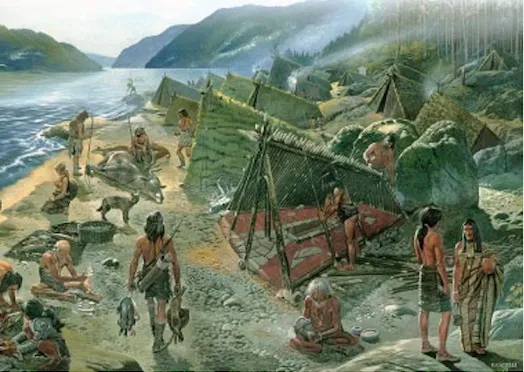
Natural dyes have been used by our ancestors for thousands of years to colour fibres, fabrics, and other materials. The history of natural dyes can be traced back to the earliest civilisations, where plants, insects, and minerals were used to create a variety of colours. Over time, the art of dyeing with natural dyes has evolved and transformed, reflecting changes in culture, technology, and the environment.
The use of natural dyes dates back thousands of years, with evidence of their use found in archaeological sites around the world. Some of the earliest evidence of natural dyes can be traced back to prehistoric times, where remnants of dyed fibres have been found in caves and ancient settlements.
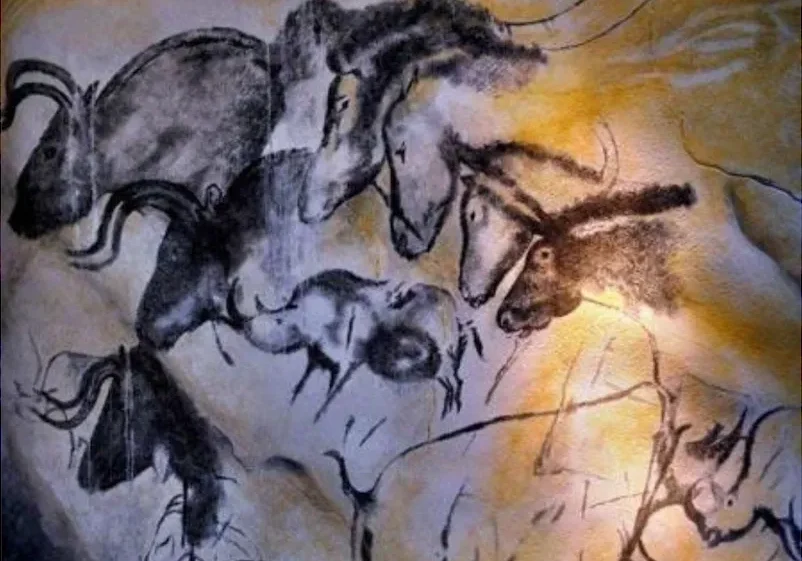
EGYPT & CHINA
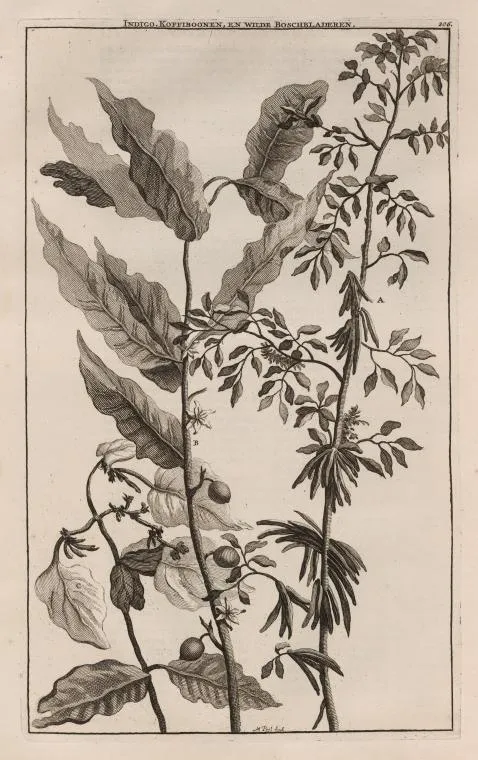
INDIGO

SAFFLOWER
Archaeological findings from various regions provide insights into the early use of natural dyes. For example, in ancient Egypt, evidence of dyed textiles has been found in tombs and burial sites, including fragments of linen and wool dyed with plant-based dyes such as indigo, madder, and safflower. Similarly, in ancient China, dyed silk textiles have been discovered in tombs dating back to the Han Dynasty (202 BC - 220 AD), with evidence of the use of plant-based dyes such as indigo and woad.

MADDER
South America
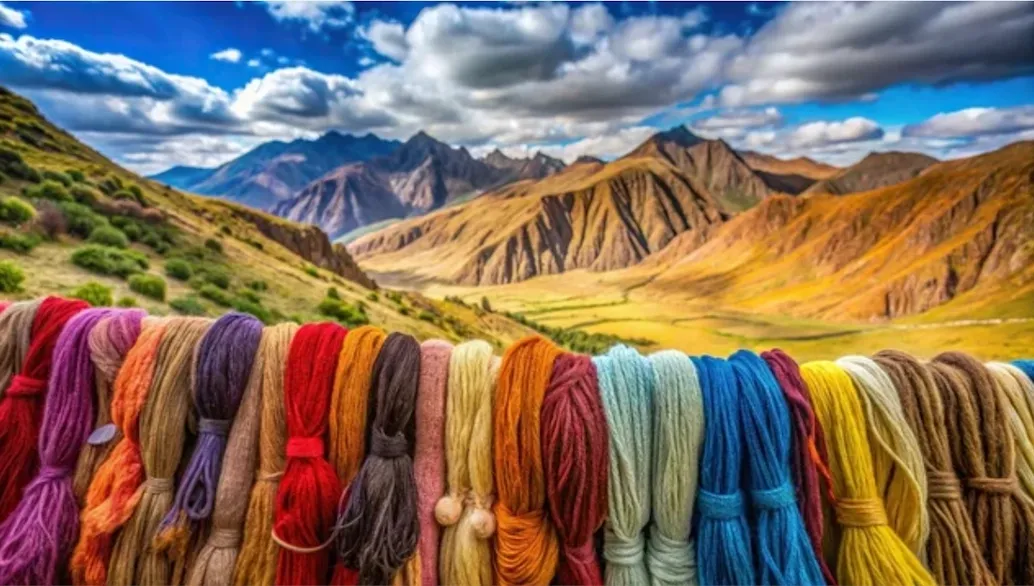
In South America, ancient Peruvian textiles dating back to around 2500 BC have been found with traces of natural dyes, including the use of plant-based dyes such as cochineal, annatto, and various local plant species. In other regions such as India, Japan, and Central Asia, historical records and artifacts also indicate the use of natural dyes for textile colouring, with evidence of plant-based dyes, as well as animal and mineral-based dyes.
In addition to plants, insects were identified as a source of natural dyes. For example, cochineal, a red dye derived from dried insects, was discovered by the ancient Maya and Aztecs in Central and South America to create vibrant red and pink hues in their textiles.
SEPIA BROWN
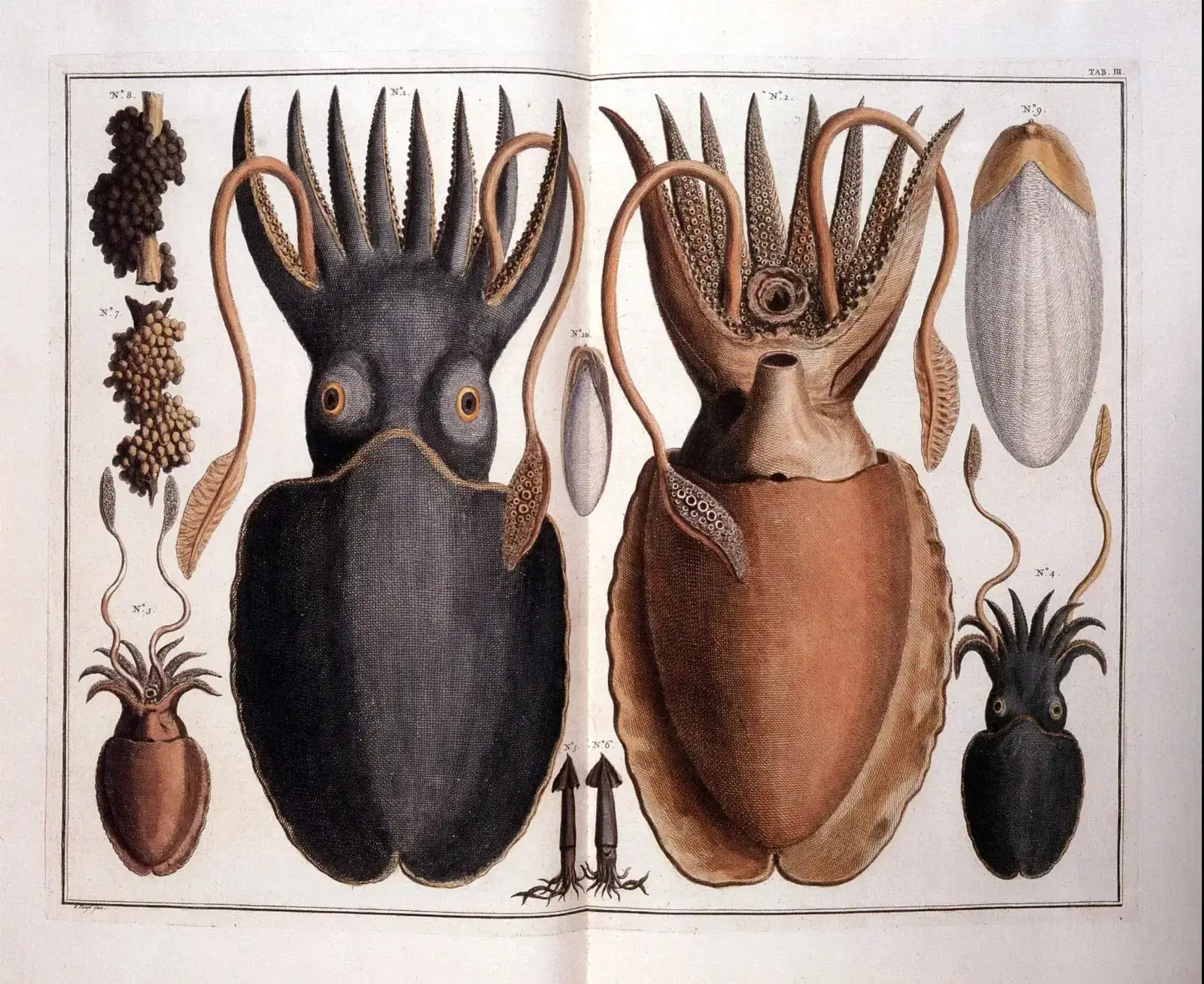
SEPIA BROWN INK

PURPLE-INDIGO BLUE
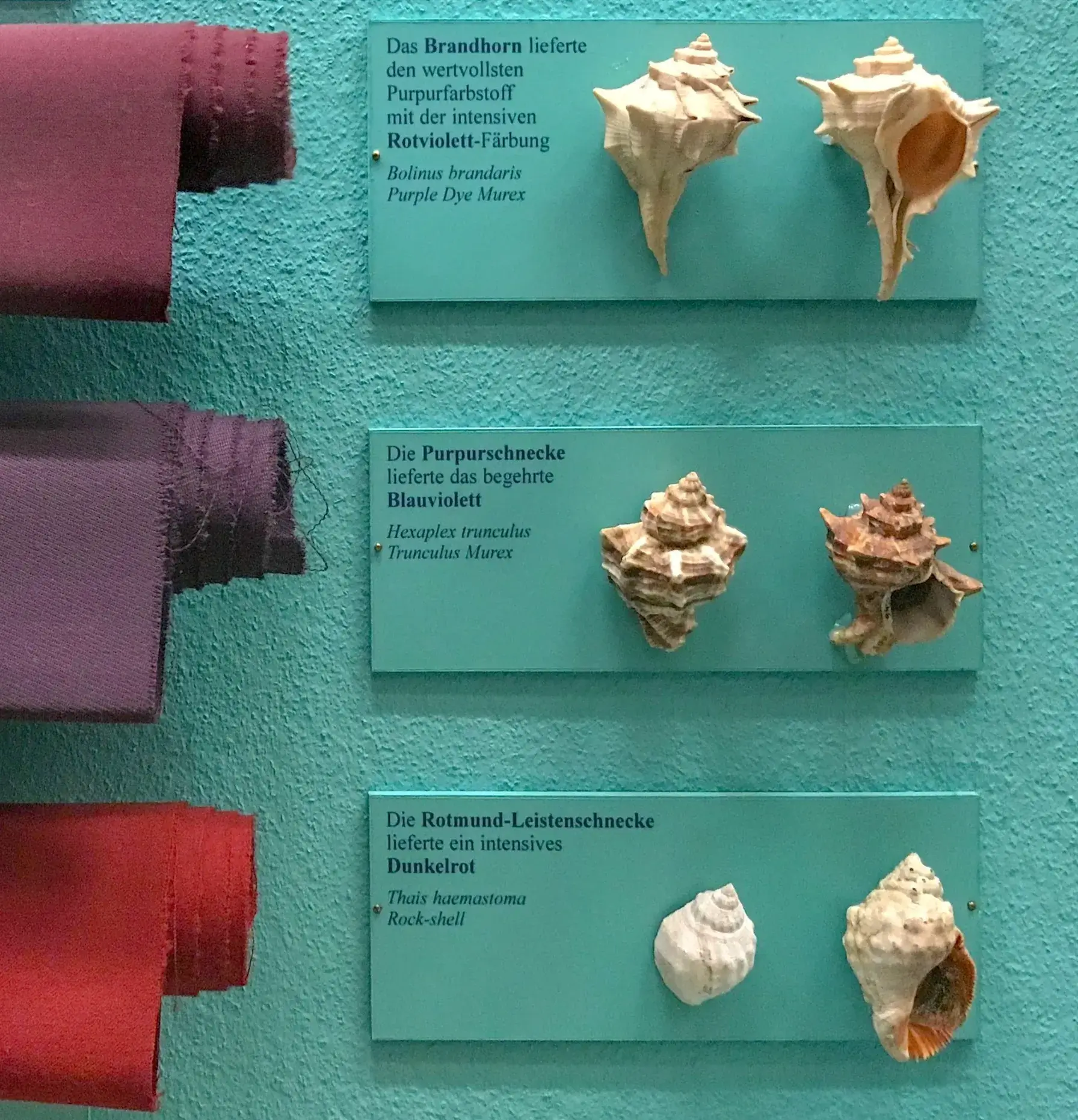
COCHINEAL HARVESTING

CRIMSON
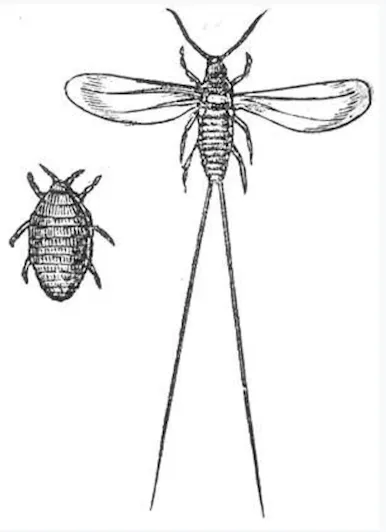
RED, VIOLET
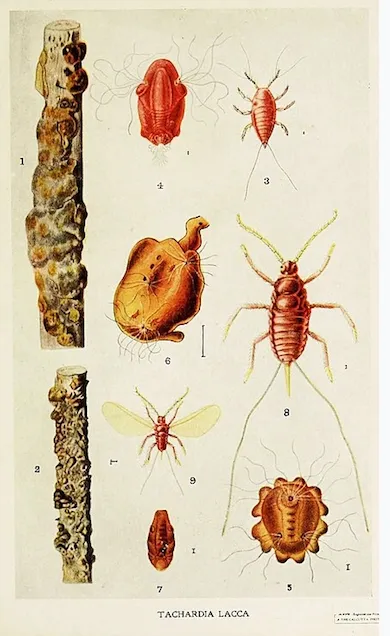
Europe
The use of natural dyes in Europe can be traced back to ancient civilizations such as the Greeks, Romans, and Celts. Plant-based dyes were commonly used, with sources such as madder (Rubia tinctorum) for reds, woad (Isatis tinctoria) for blues, and weld (Reseda luteola) for yellows.
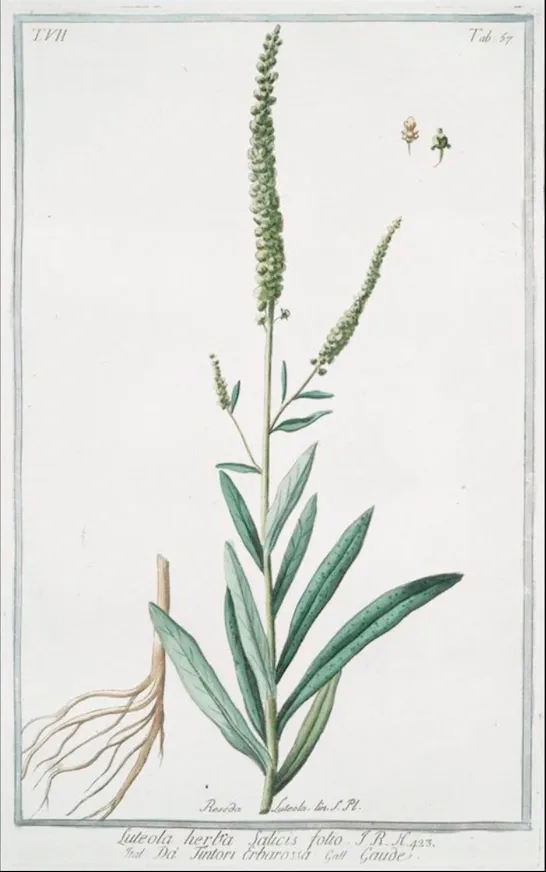
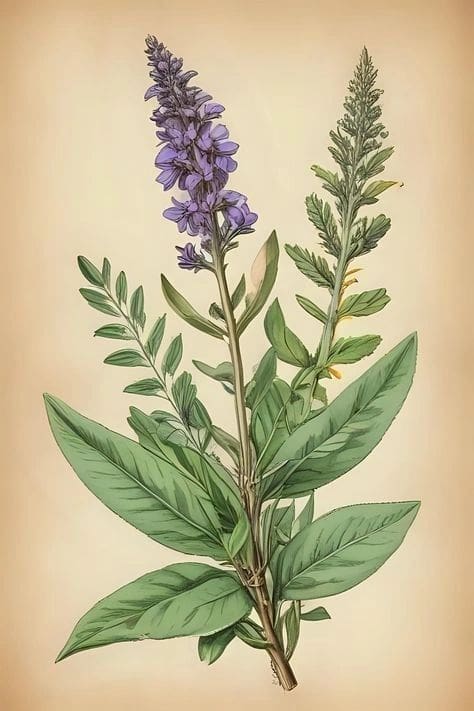
RESEDA LUTEOLA
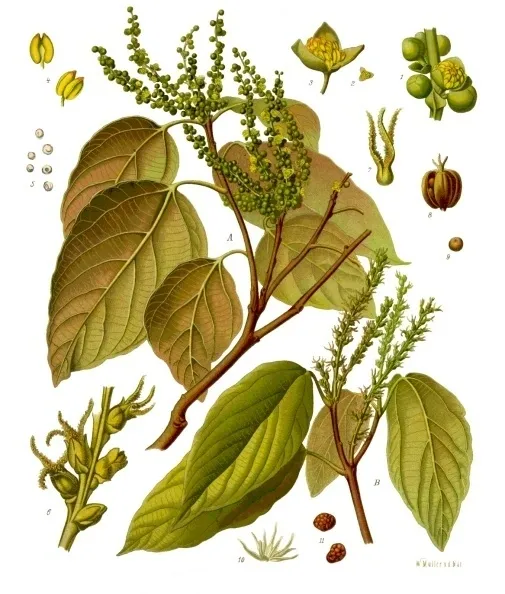
MALLOTUS PHILIPPENSIS
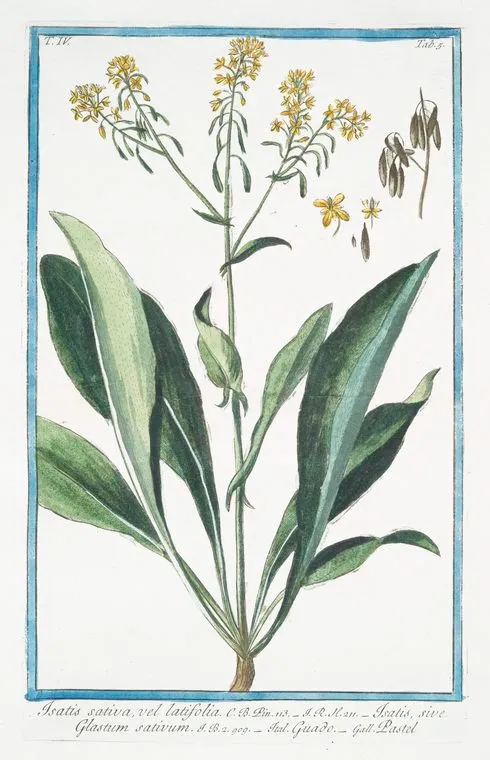
ISATIS TINCTORIA
Texts and Manuscripts
Ancient texts and manuscripts from different civilisations also provide documentation of natural dyeing techniques and recipes. For example, the "Mappae Clavicula," a medieval Latin manuscript from the 9th century, contains instructions for dyeing with plant-based dyes. The "Shen Nong Ben Cao Jing," a Chinese pharmacopoeia written around 100 AD, also includes descriptions of various plants used for dyeing.
LOGWOOD
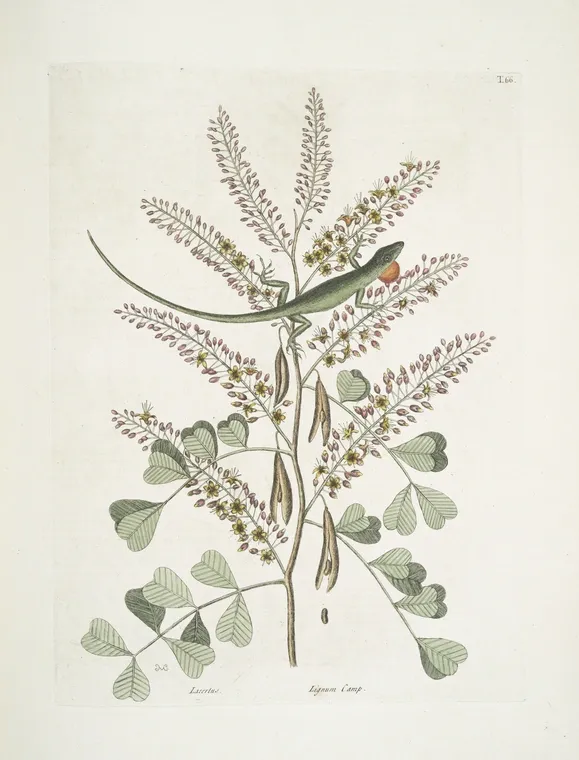
Logwood (Haematoxylum campechianum)
MIDDLE AGES & RENAISSANCE
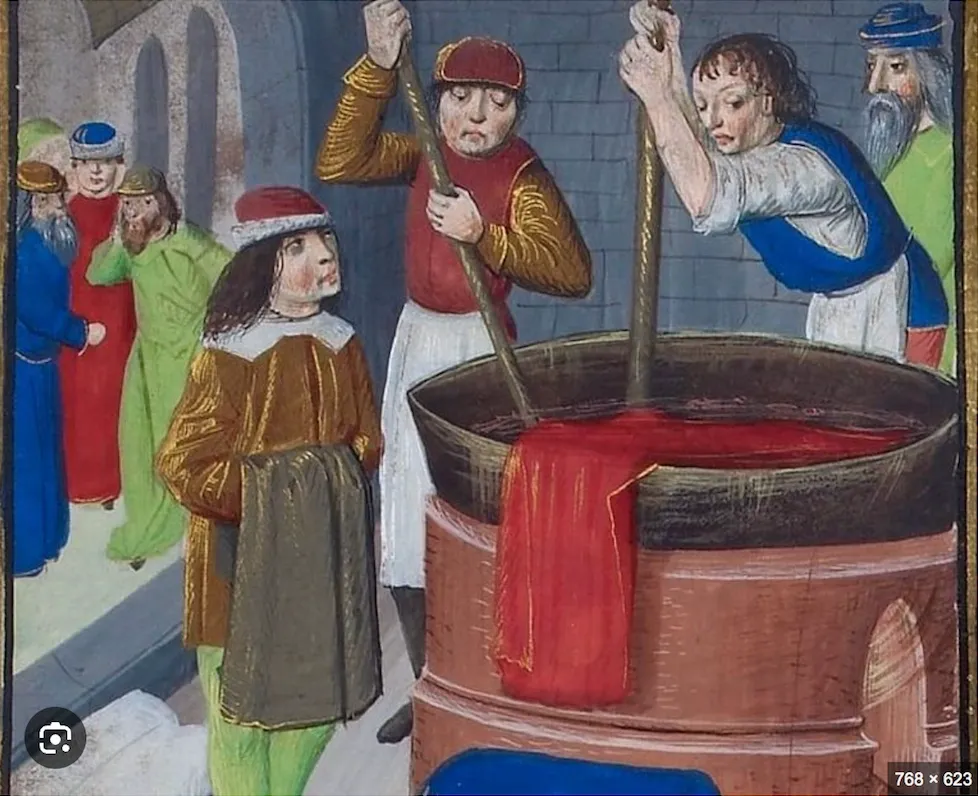
THE RISE OF TRADE AND GUILDS
INDUSTRY CHANGE
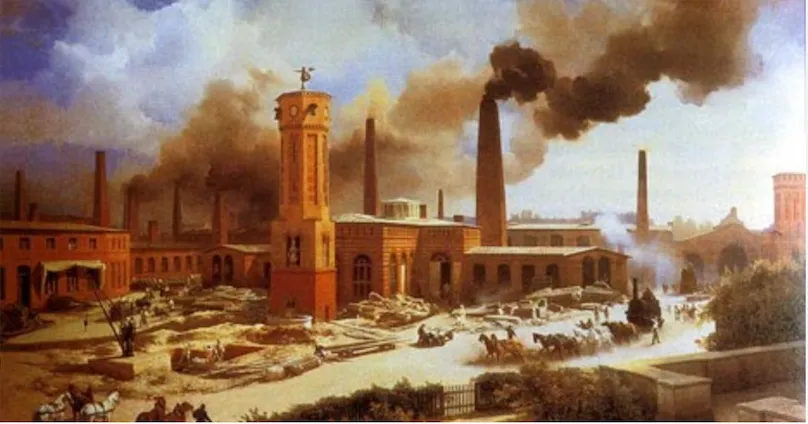
INDUSTRIAL REVOLUTION
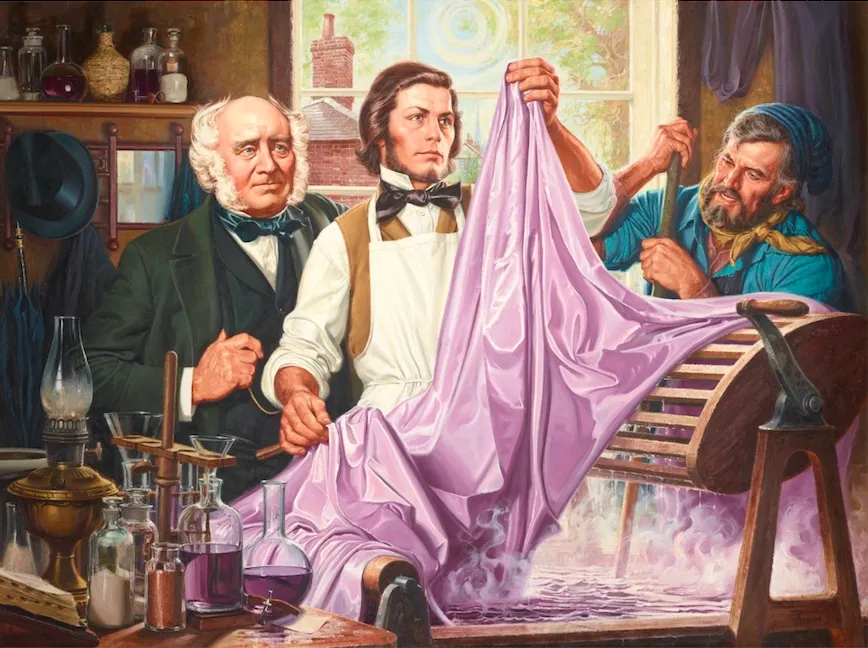
SYNTHETIC DYE INVENTED
Synthetic Dye Invented
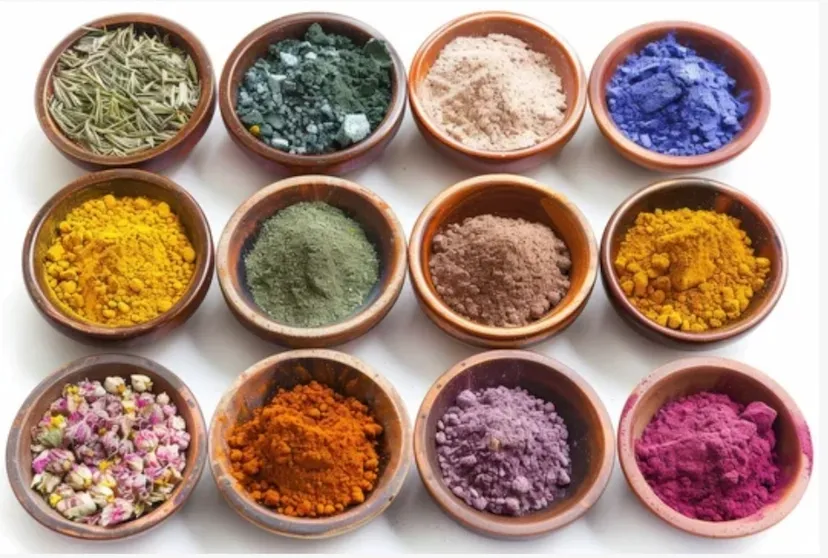
BACK TO OUR ORIGINS
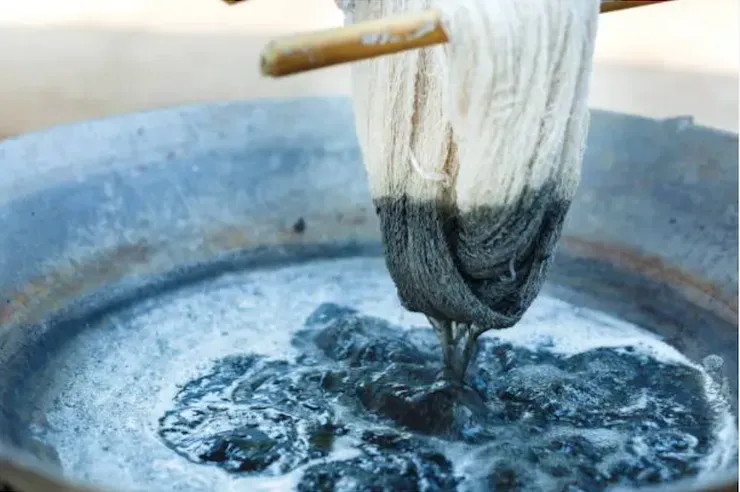
HERITAGE
SUSTAINABILITY