

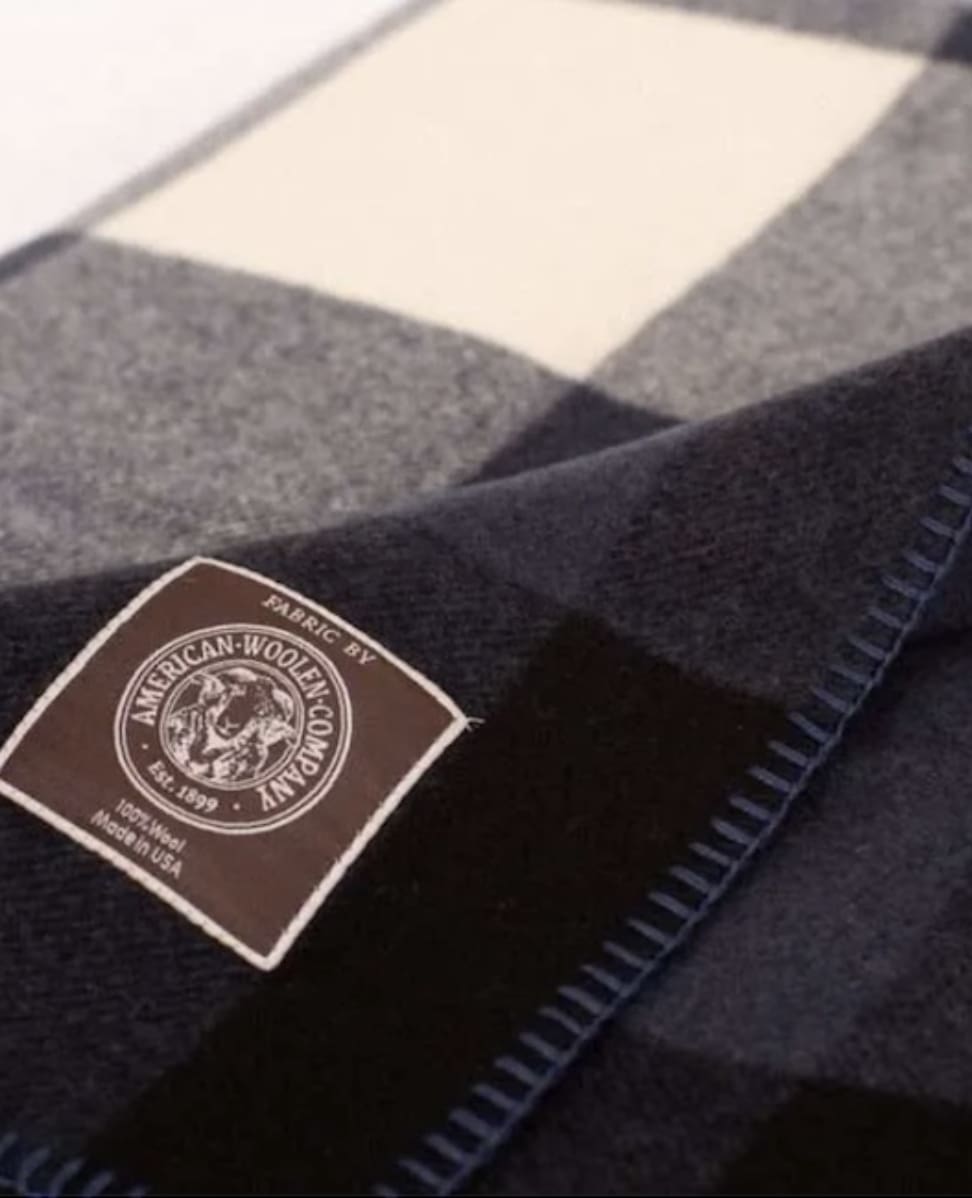
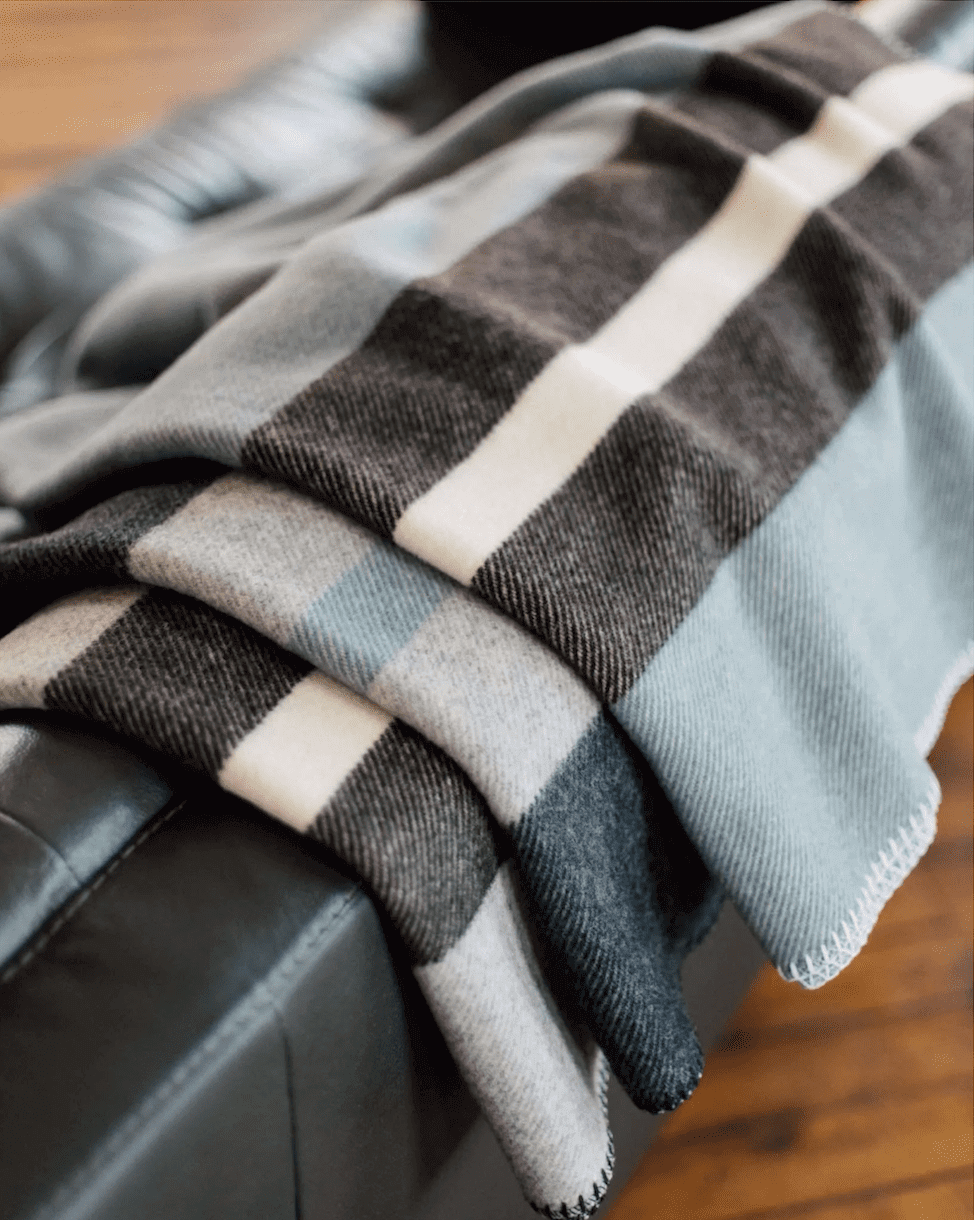
About American Woolen Company

Meet Jacob
What started as an idea to reopen a shuttered wool mill in Connecticut’s quiet corner became a mission to preserve the art and craft of fine textile manufacturing in New England and build a regional textile and apparel ecosystem that would serve as the blueprint to revive America’s challenged textile and apparel industry.Having spent the previous 20 years working across Europe, I saw how craft manufacturing restored communities and gave meaning to local traditions. Although higher cost structures made European craft manufactures less efficient, they were very effective at turning a commodity product into a specialty product and building markets to support their craft.
The first years were tough. The larger American apparel brands informed us that they preferred to purchase textiles and apparel from European and/or Asian suppliers. We were told that we are wasting our time and that Americans do not know how to make premium quality soft goods: “Americans are consumers, not producers”. But we knew that we were doing the right thing.

Mill History
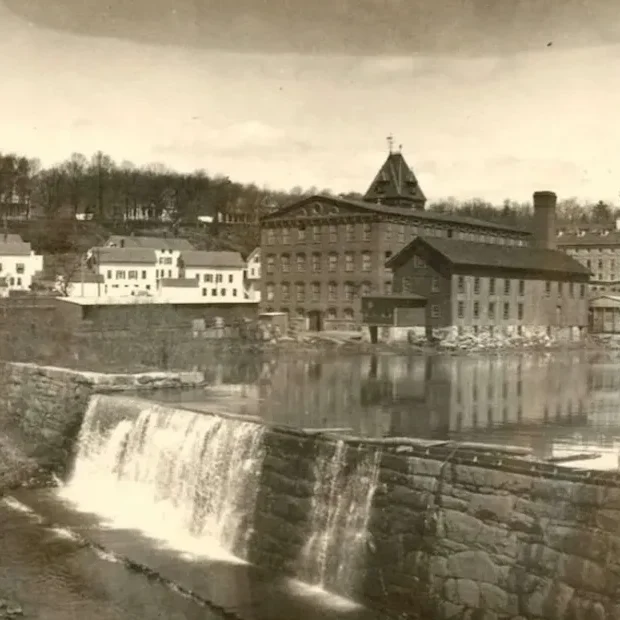
Founded in 1853 in Stafford Springs, Connecticut, the Warren Mills was America's most prominent manufacturer of fine camel hair and cashmere woolen fabrics of the mid 20th century.
In 1988, a famed Italian luxury goods group assumed control of the mill and invested considerable resources to expand and upgrade its facilities, effectively creating America’s only premium quality wool textile operation.
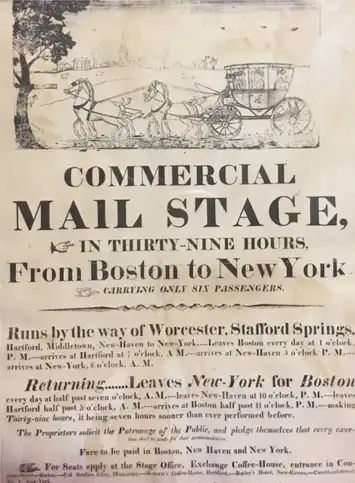
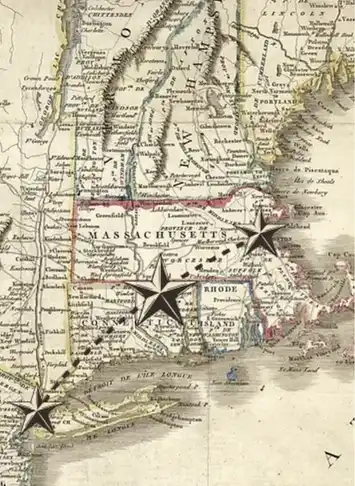
Conveniently situated between New York and Boston, Stafford Springs served as an important destination for the design and manufacture of fine cloth for over 150 years. It was originally settled in 1719 and by 1765, the town was famous for its natural mineral springs. After the Revolution, visitors came from all over the world to drink the iron and sulphur waters.



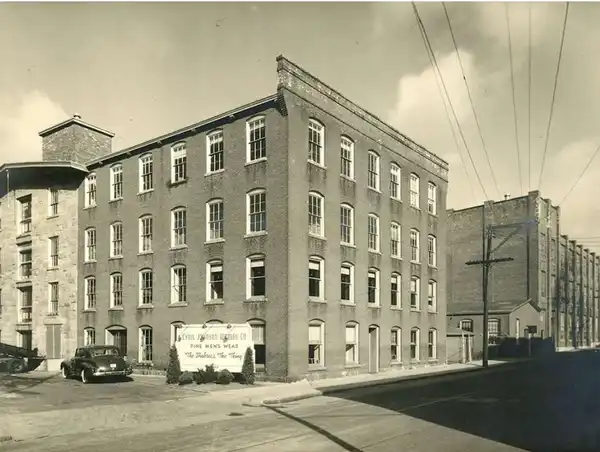
Toward the end of the 20th century, a successive wave of trade liberalization policies wiped out restrictions and duties on textiles and apparel. As European and Asian textiles and apparel flooded into America, the domestic textile and apparel industry floundered. A multi-billion dollar industry that required multiple generations to build took a few decades to fall apart. By 2014, just 2% of apparel consumed in America was made in America.


Textile Design
