History of Natural Dyeing

There are two types of dyes, Natural Dyes and Synthetic Dyes. Natural dyes are derived from animal or plant sources while synthetic dyes are manmade chemicals. Prior to 1856, the only dyes available were natural dyes. In 1856, the first synthetic dye was made and from that time, the synthetic dye industry was created. Today if you wish to dye anything, you have the choice between natural and synthetic dyes.

Ancient Times: the Origins of Natural Dyeing

Early humans building shelters in a prehistoric village.

Natural dyes have been used by our ancestors for thousands of years to colour fibres, fabrics, and other materials. The history of natural dyes can be traced back to the earliest civilisations, where plants, insects, and minerals were used to create a variety of colours. Over time, the art of dyeing with natural dyes has evolved and transformed, reflecting changes in culture, technology, and the environment.

The use of natural dyes dates back thousands of years, with evidence of their use found in archaeological sites around the world. Some of the earliest evidence of natural dyes can be traced back to prehistoric times, where remnants of dyed fibres have been found in caves and ancient settlements.
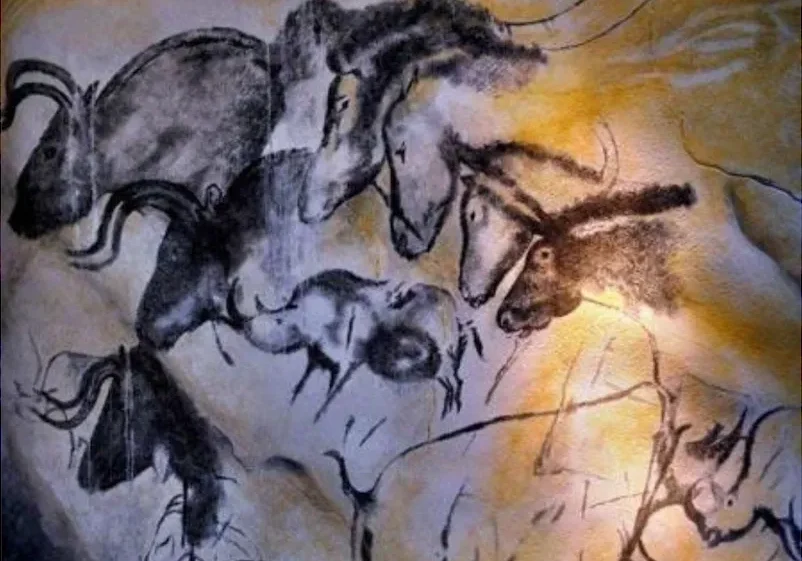
Ancient cave painting depicting various wild animals in naturalistic style.

EGYPT & CHINA

Ink drawing of a botanical plant with detailed leaves and flowers.

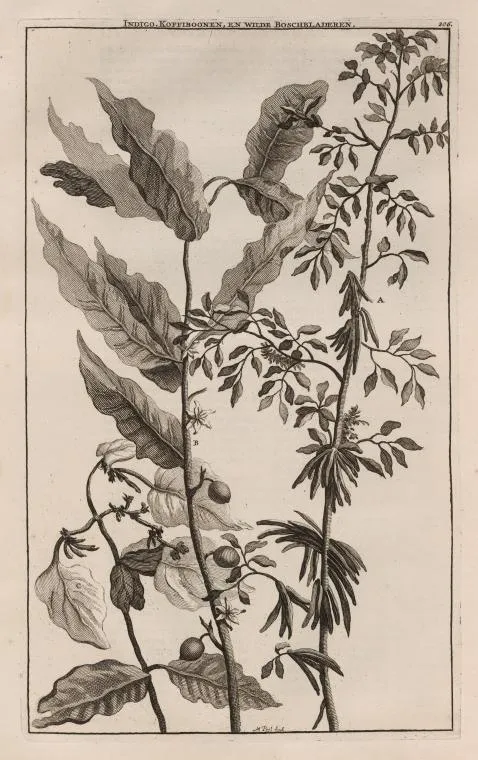
INDIGO

Illustration of two vibrant orange flowers with green leaves on a light background.

SAFFLOWER

Archaeological findings from various regions provide insights into the early use of natural dyes. For example, in ancient Egypt, evidence of dyed textiles has been found in tombs and burial sites, including fragments of linen and wool dyed with plant-based dyes such as indigo, madder, and safflower. Similarly, in ancient China, dyed silk textiles have been discovered in tombs dating back to the Han Dynasty (202 BC - 220 AD), with evidence of the use of plant-based dyes such as indigo and woad.

Botanical illustration of a plant with clustered berries and elongated leaves.

MADDER

South America

In South America, ancient Peruvian textiles dating back to around 2500 BC have been found with traces of natural dyes, including the use of plant-based dyes such as cochineal, annatto, and various local plant species. In other regions such as India, Japan, and Central Asia, historical records and artifacts also indicate the use of natural dyes for textile colouring, with evidence of plant-based dyes, as well as animal and mineral-based dyes.

In addition to plants, insects were identified as a source of natural dyes. For example, cochineal, a red dye derived from dried insects, was discovered by the ancient Maya and Aztecs in Central and South America to create vibrant red and pink hues in their textiles.

SEPIA BROWN
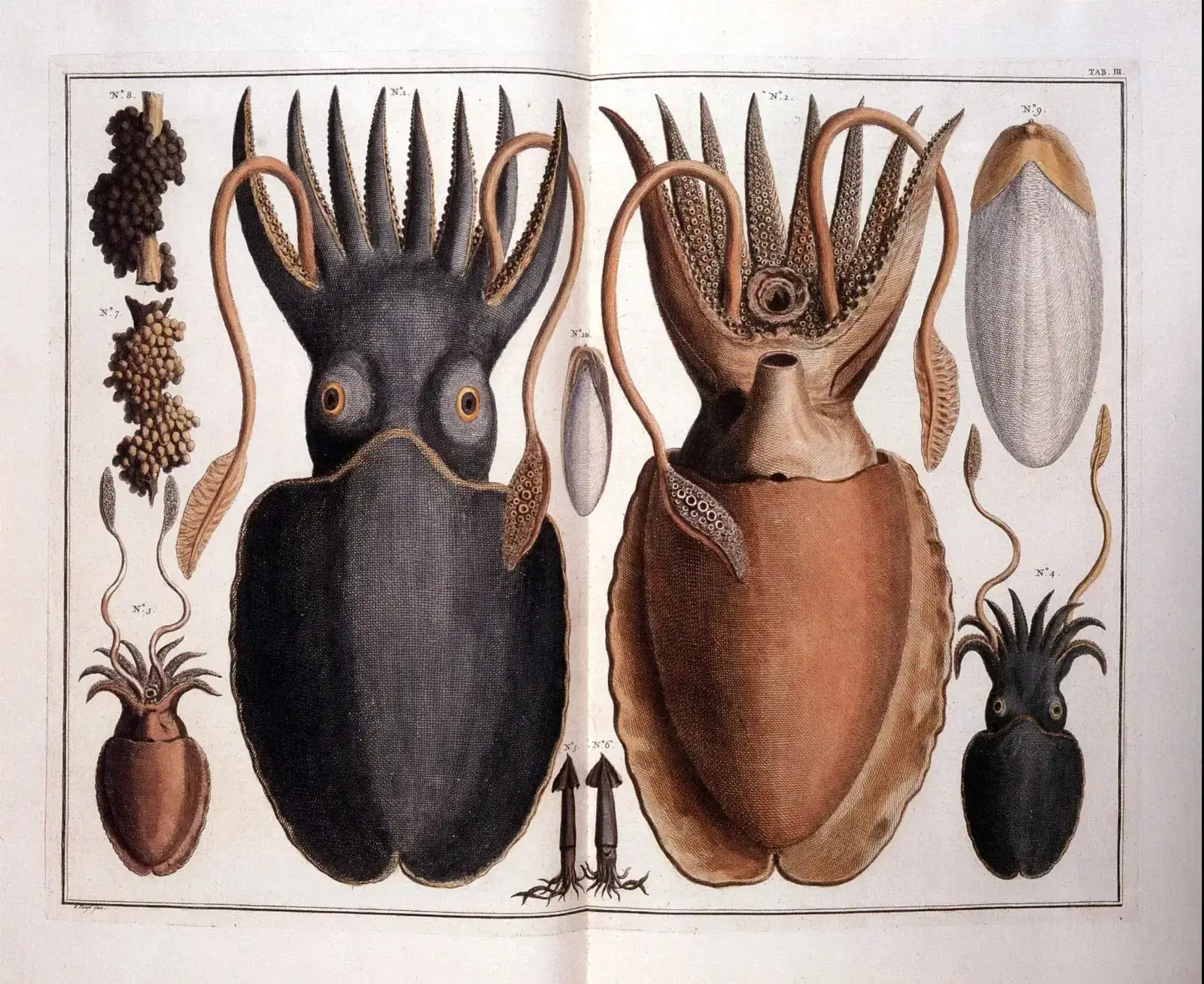
Illustration of two unique squid species with detailed anatomy.

Cuttlefish, or cuttles, are marine molluscs of the suborder Sepiina. They belong to the class Cephalopoda which also includes squid, octopuses, and nautiluses. Cuttlefish have a unique internal shell, the cuttlebone, which is used for control of buoyancy.

SEPIA BROWN INK

Sketches of mechanical inventions and engineering designs on parchment.

Sepia ink used for writing, drawing and as a colored wash by Leonardo da Vinci. As a type of ink, sepia has been known at least since ancient Roman times. Only from Renaissance times onward, however, did sepia become popular as a drawing medium. In the late 18th and 19th centuries it was particularly popular and generally replaced bistre as a medium for making wash drawings.

PURPLE-INDIGO BLUE

Different seashells displayed with labels on a green background.

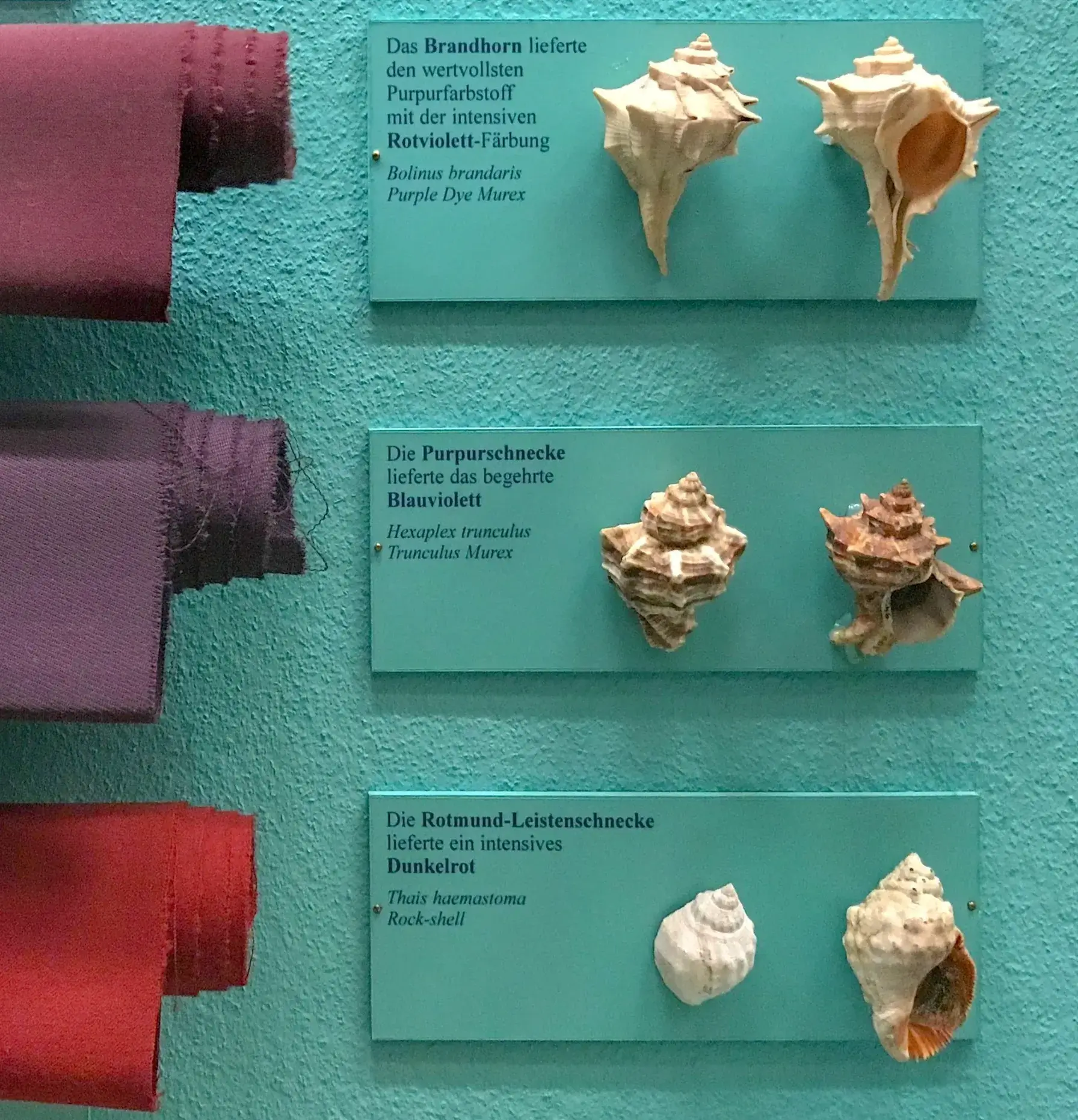
Muricidae is a large and varied taxonomic family of small to large predatory sea snails, marine gastropod mollusks, commonly known as murex snails or rock snails. With over 1,700 living species, the Muricidae represent almost 10% of the Neogastropoda. Additionally, 1,200 fossil species have been recognized.[1][2] Numerous subfamilies are recognized, although experts disagree about the subfamily divisions and the definitions of the genera. Many muricids have unusual shells which are considered attractive by shell collectors and by interior designers.

COCHINEAL HARVESTING

A man harvesting prickly pears from a cactus plant.

Traditionally, cochineal was used for coloring fabrics. Cochineal dye was used by the Aztec and Maya peoples of North and Central America as early as the second century BC.[24]: 12 [25] Inhabitants of Peru have been producing cochineal dyes for textiles since early in the Middle Horizon period (600–1000 CE).[26] Cochineal dye was extensively used in the Pre-Columbian era, often for ceremonial textiles and those worn by rulers.

CRIMSON

Illustration comparing a winged insect and a wingless insect side by side.

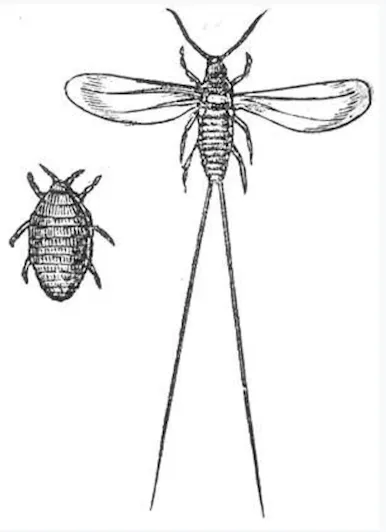
The cochineal (/ˌkɒtʃɪˈniːl, ˈkɒtʃɪniːl/ KOTCH-ih-NEEL, -⁠neel, US also /ˌkoʊtʃɪˈniːl, ˈkoʊtʃɪniːl/ KOH-chih-;[1] Dactylopius coccus) is a scale insect in the suborder Sternorrhyncha, from which the natural dye carmine is derived. A primarily sessile parasite native to tropical and subtropical South America through North America (Mexico and the Southwest United States), this insect lives on cacti in the genus Opuntia, feeding on plant moisture and nutrients. The insects are found on the pads of prickly pear cacti, collected by brushing them off the plants, and dried.

RED, VIOLET

Illustration of various insect life stages and parts.

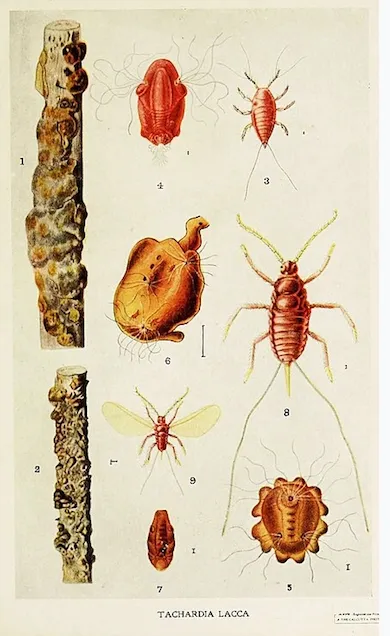
Kerria lacca is a species of insect in the family Kerriidae, the lac insects. These are in the superfamily Coccoidea, the scale insects. This species is perhaps the most commercially important lac insect, being a main source of lac, a resin which can be refined into shellac and other products.[1] This insect is native to Asia.

Europe

The use of natural dyes in Europe can be traced back to ancient civilizations such as the Greeks, Romans, and Celts. Plant-based dyes were commonly used, with sources such as madder (Rubia tinctorum) for reds, woad (Isatis tinctoria) for blues, and weld (Reseda luteola) for yellows.
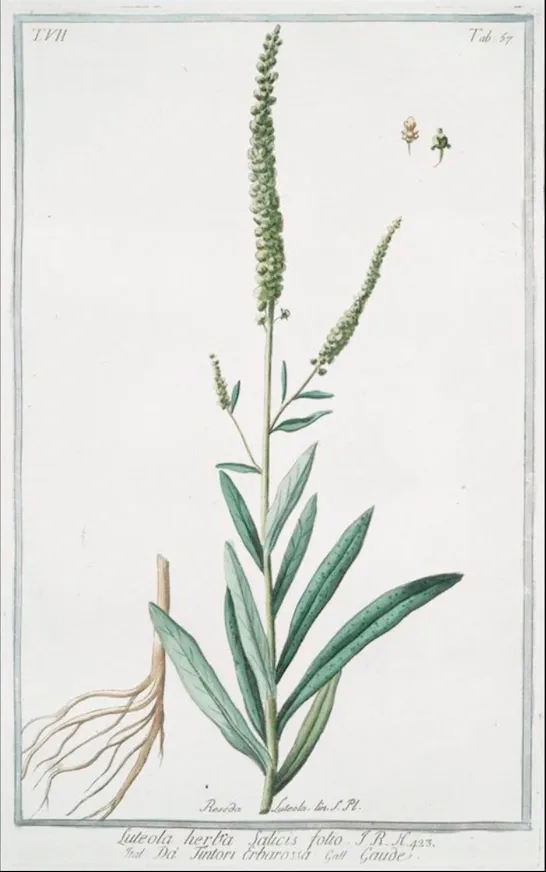
Illustration of a green plant with long leaves and a tall flowering spike.

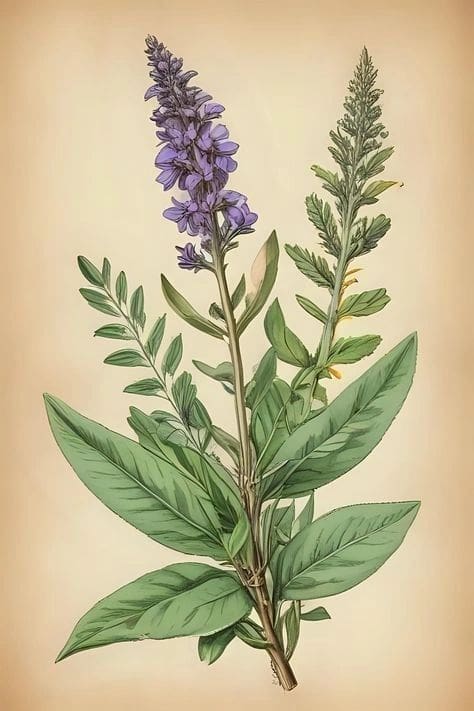
RESEDA LUTEOLA

Weld (Reseda luteola) also known as Dyer’s Rocket is a traditional dye plant native to Europe and Central Asia. Weld produces a brilliant yellow dye thanks to a flavonoid compound called Luteolin. This bright yellow was often over-dyed with the blue dye Woad to produce “Lincoln Green” the famous hue worn by the legendary Robin Hood and his Merry Men.
Botanical illustration of a plant with large leaves and seeds.

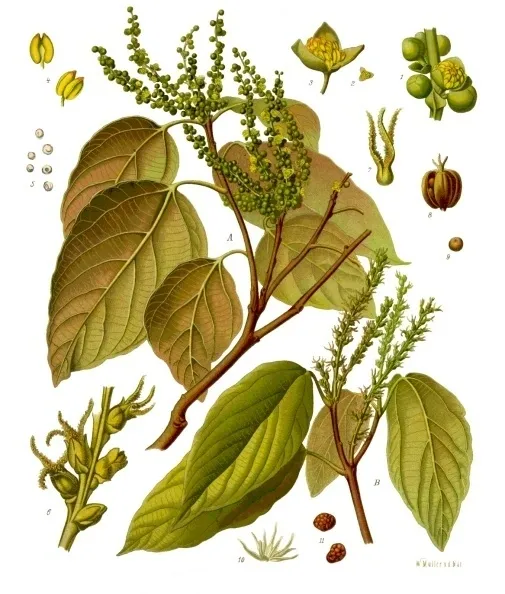
MALLOTUS PHILIPPENSIS

Mallotus philippensis is used to produce yellow dye and herbal remedies.[3] It produces rottlerin, a potent large conductance potassium channel opener.
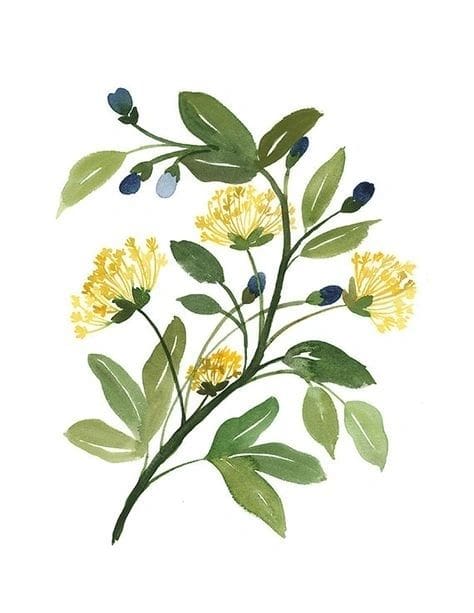
Watercolor painting of a flowering plant with broad green leaves and yellow flowers.

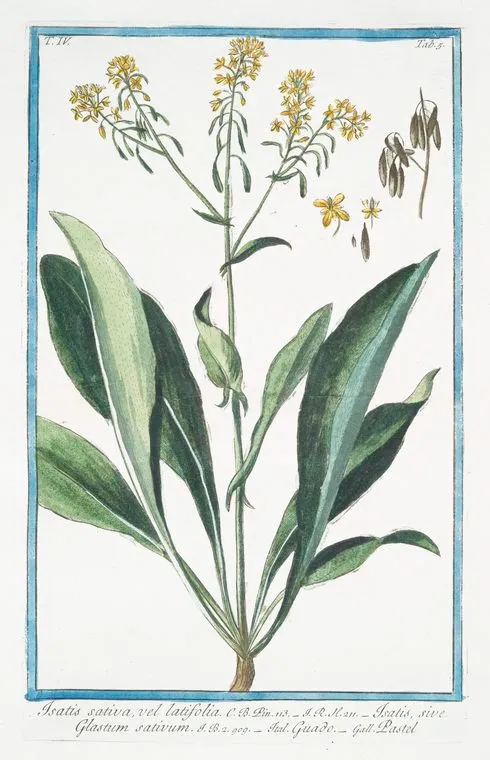
ISATIS TINCTORIA

Isatis tinctoria, also called woad, dyer's woad, dyer's-weed, or glastum, is a flowering plant in the family Brassicaceae with a documented history of use as a blue dye and medicinal plant. Its genus name, Isatis, derives from the ancient Greek word for the plant, ἰσάτις. It is occasionally known as Asp of Jerusalem.
Scientific name: Isatis tinctoria
Colors: blue

Texts and Manuscripts

Ancient texts and manuscripts from different civilisations also provide documentation of natural dyeing techniques and recipes. For example, the "Mappae Clavicula," a medieval Latin manuscript from the 9th century, contains instructions for dyeing with plant-based dyes. The "Shen Nong Ben Cao Jing," a Chinese pharmacopoeia written around 100 AD, also includes descriptions of various plants used for dyeing.

LOGWOOD
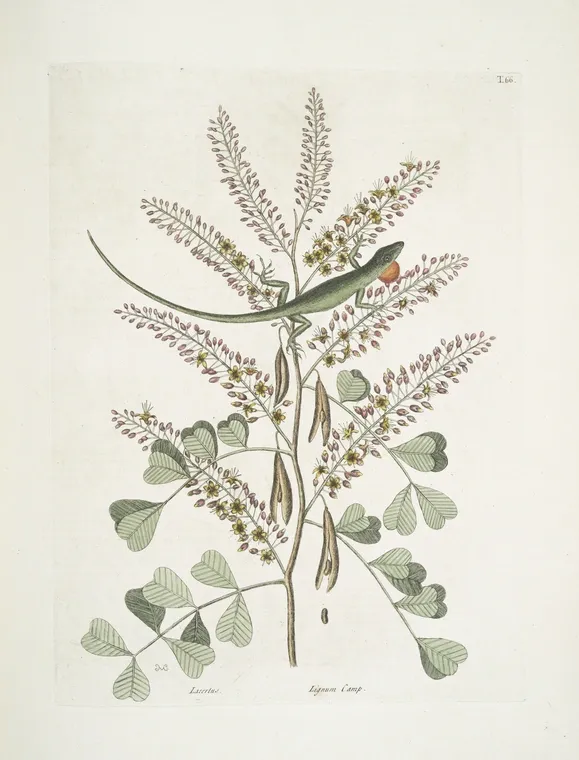
Illustration of a bird perched on a flowering plant branch with green leaves.

Logwood (Haematoxylum campechianum)

The dye logwood or blackwood is extracted from the heartwood of logwood trees (Haematoxylum or Haematoxylon campechianum) that come from Central America. Logwood dye was introduced into Europe by the late 1500s in the form of logs, hence its common name. Logwood’s main use is for dyeing textiles and leather, but it is also used to produce the stain haematoxylin for microscopic slides. Logwood is an easy dye to use, producing violets, greys and blacks.

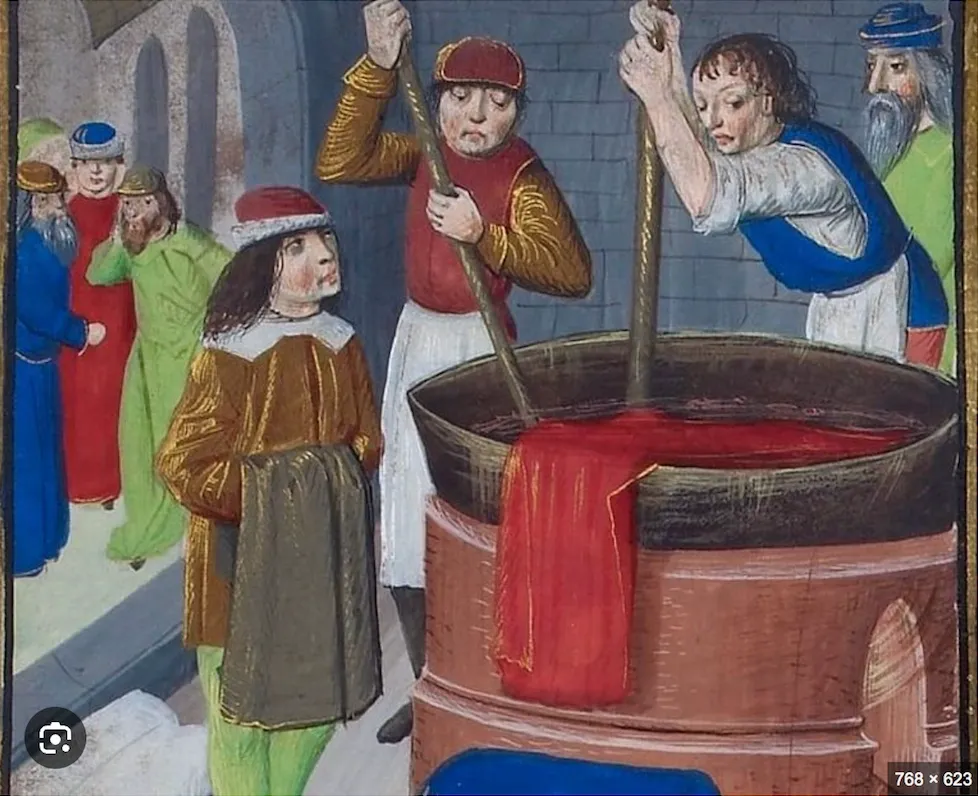
MIDDLE AGES & RENAISSANCE

Medieval scene with men around a large cauldron and a red cloth.

THE RISE OF TRADE AND GUILDS

During the Middle Ages and Renaissance, the use of natural dyes expanded as trade routes expanded, and the demand for colorful textiles grew. Dyeing became a specialized craft, and new guilds started to regulate and protect the trade.One of the most significant developments during this period was the discovery of new sources of natural dyes. For example, the arrival of the New World to Europe in the late 15th century brought about the introduction of new natural dyes, such as logwood and cochineal, which were highly prized for their vibrant colors.The use of natural dyes during this period was also closely linked to the development of textile centers, such as Flanders, Italy, and England, where specialized dyers and weavers produced exquisite textiles using natural dyes. Textile trade and the use of natural dyes became an important part of the economy, and the knowledge of dyeing techniques and recipes were closely guarded secrets within the guilds.

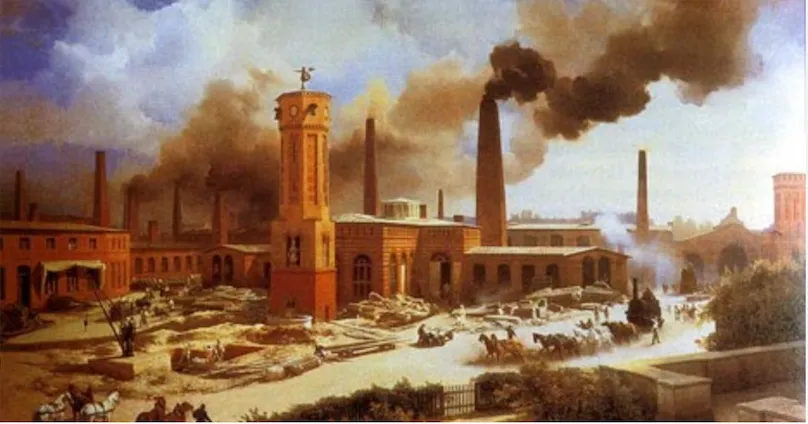
INDUSTRY CHANGE

An industrial factory with smokestacks emitting thick smoke during the industrial revolution.

INDUSTRIAL REVOLUTION

The industrial revolution in the 18th and 19th centuries brought about significant changes in the textile industry, including the invention of synthetic dyes. Synthetic dyes, which were cheaper and more easily produced than natural dyes, rapidly gained popularity and replaced natural dyes in many textile applications.As the use of synthetic dyes increase, there was an equivalent decline in the use of natural dyes. The focus shifted towards mass production and uniformity in color. Natural dyeing became largely relegated to small-scale production, local crafts, and traditional cultural practices in certain regions of the world.
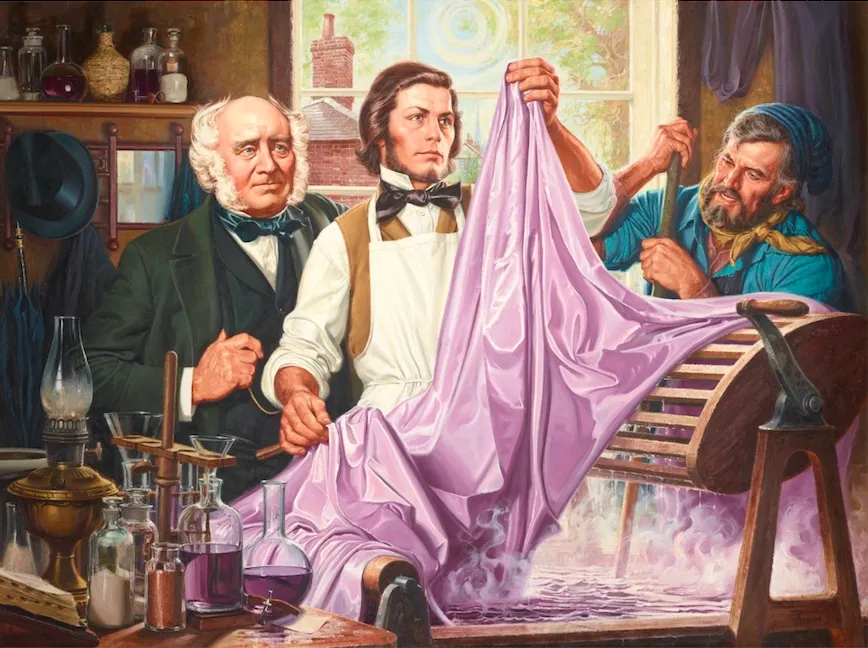
Scientists in a vintage lab examining a pink cloth with curiosity.

SYNTHETIC DYE INVENTED

While attempting to produce quinine, William Henry Perkin serendipitously synthesized mauve, the first commercialized synthetic dye. Perkin’s discovery formed the basis for a new chemical industry and eventually for the pharmaceutical industry as well.

Synthetic Dye Invented

One of the main drivers of the revival of natural dyes is their eco-friendly and sustainable nature. Synthetic dyes are often derived from petrochemicals and can have negative environmental impacts, such as pollution of waterways and soil, energy-intensive production processes, and hazardous waste generation. In contrast, natural dyes are derived from renewable sources such as plants, insects, and minerals, and their production processes are generally considered to be more environmentally friendly and biodegradable.
Furthermore, natural dyes are often perceived as safer and healthier compared to synthetic dyes, as they do not contain harmful chemicals such as heavy metals or carcinogenic compounds. This makes natural dyes a popular choice for those who are concerned about the potential health risks associated with synthetic dyes, including artisans, craftspeople, and consumers.
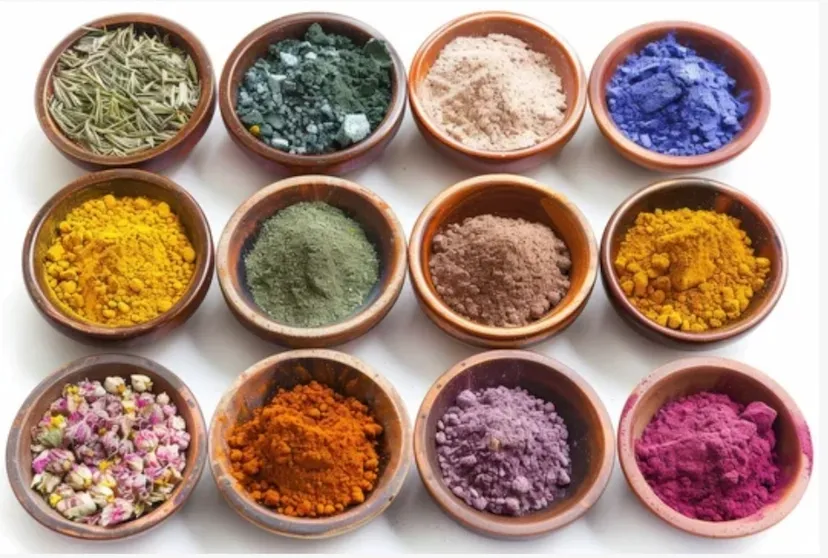
Various colorful powdered pigments in small bowls arranged neatly.

BACK TO OUR ORIGINS

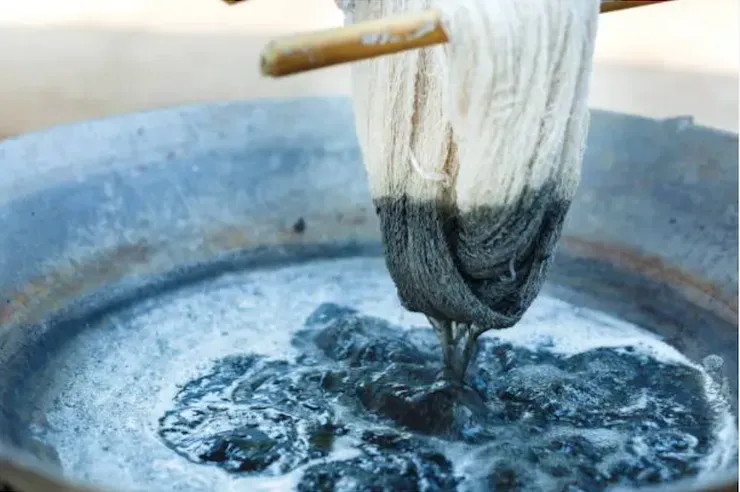
Close-up of brush dipped in black paint.

HERITAGE

Another factor driving the revival of natural dyes is the desire for unique and authentic products. Natural dyes often produce subtle, nuanced, and variable colors that are appreciated for their natural beauty and individuality. This is in contrast to synthetic dyes, which can produce uniform and predictable colours. The use of natural dyes allows for creative experimentation and customization, leading to the creation of one-of-a-kind textiles, fashion items, and artworks that are highly valued by those seeking unique and meaningful products. 
The revival of natural dyes has also been supported by advancements in research and technology. Scientists, researchers, and artisans have been exploring and experimenting with natural dye sources, dye extraction methods, and dyeing techniques, leading to innovations in natural dyeing processes and expanding the color palette of natural dyes. Additionally, there has been an increased focus on education, workshops, and community initiatives to promote awareness and knowledge about natural dyes among practitioners, consumers, and the general public.
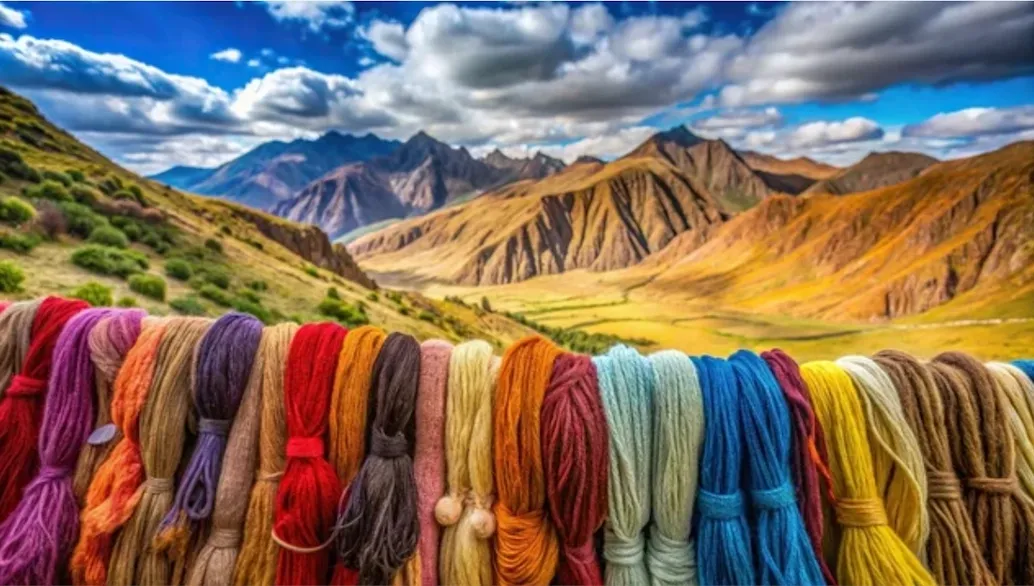
Colorful yarns displayed with a mountainous landscape in the background.

SUSTAINABILITY

Today, the revival of natural dyes can be seen in various applications, including fashion, textiles, home goods, art, and crafts. Many artisans, designers, and brands are incorporating natural dyes into their products, creating a niche market for sustainable and authentic goods. Consumers are also increasingly seeking out products made with natural dyes as a way to support eco-friendly practices and reconnect with traditional and cultural heritage.